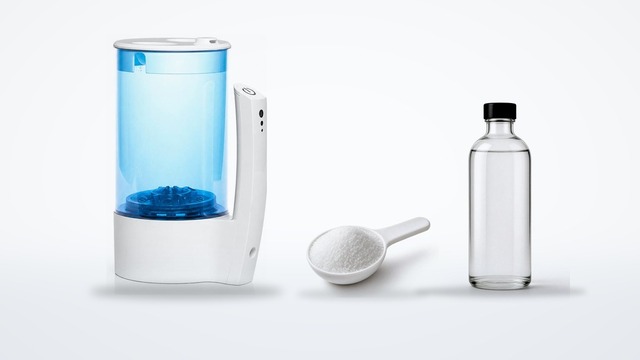
Eco One vs Capsule HOCl Generators: Cost per Liter
Eco One vs capsule generators: ingredients and electricity cost about 1.3¢ to 1.4¢ per liter at 200 ppm. See the math and how to price any capsule system.
Read article →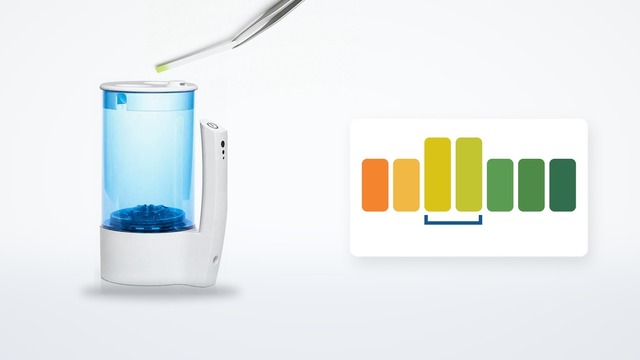
Eco One pH 7 or Fades Fast? What to Check, Step by Step
Eco One batch reads about pH 7 or loses strength? Check the manual's vinegar step, cycles, water and storage to reach pH 5–6, then retest with the strips.
Read article →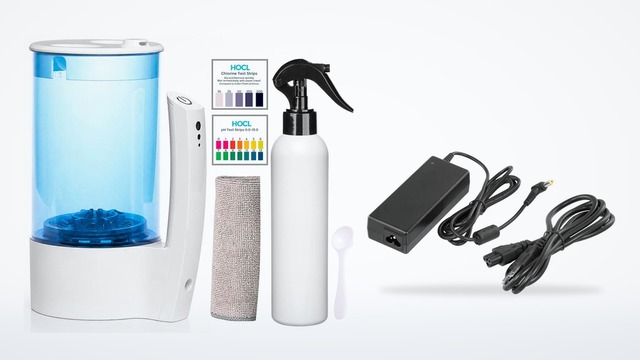
Eco One Hypochlorous Acid Generator Specs and Box Contents
Eco One hypochlorous acid generator specs: 1 liter batches up to 500 ppm, 110V/220V, what's in the box and how to check strength and pH. Home or business.
Read article →
Hotel HOCl Implementation Checklist for Housekeeping
Hotel HOCl implementation checklist: confirm directions, plan precleaning and testing, and size an EWCO 300 or Hypo 7.5 for housekeeping work.
Read article →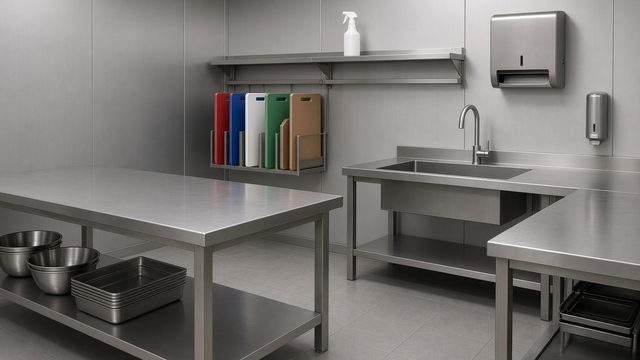
HOCl for Restaurants: Cleaning Workflows and Limits
HOCl for restaurants: how the EWCO 300 or Hypo 7.5 can fit a cleaning workflow, what to confirm first, and what on-site HOCl doesn't replace.
Read article →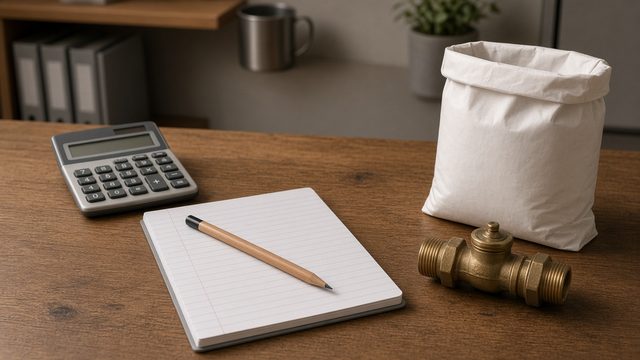
On-Site HOCl Cost Worksheet for the EWCO 300
On-site HOCl cost worksheet for the EWCO 300: what to count for equipment, daily run time, water, additives, testing, labor, service and parts.
Read article →
How to Test Generated HOCl: FAC and pH Checklist
How to test generated HOCl for FAC and pH: a manual-guided checklist for the Eco One, Hypo 7.5 and EWCO 300, plus what the test results mean.
Read article →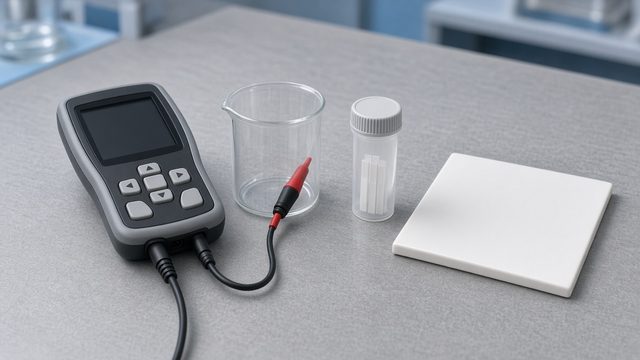
FAC, ppm, pH and ORP: What Generated HOCl Measurements Mean
FAC, ppm, pH and ORP each answer a different question about generated HOCl. See how the Eco One, Hypo 7.5 and EWCO 300 manuals describe them.
Read article →
Does HOCl Expire? Eco One Storage, Containers and Testing
Does HOCl expire? Eco One solution keeps close to 90% of its strength for about 90 days. Store it closed, out of light, and test before use.
Read article →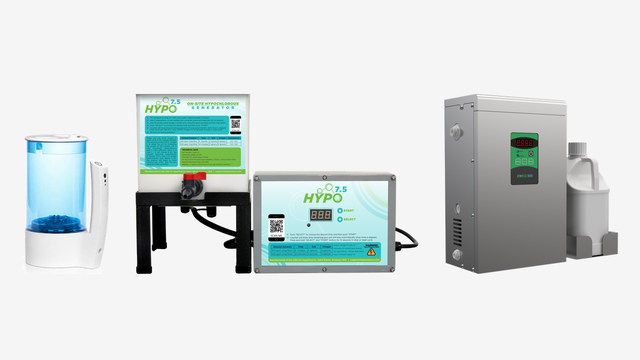
Eco One vs Hypo 7.5 vs EWCO 300: Which Fits Your Volume?
Side-by-side comparison of the Eco One, Hypo 7.5 and EWCO 300 hypochlorous acid generators: output at stated conditions, inputs, testing, installation, maintenance, warranty and price.
Read article →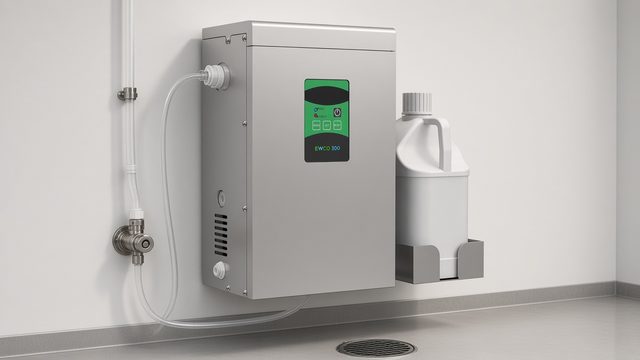
EWCO 300: Production Rates and Installation Checklist
EWCO 300 continuous-flow hypochlorous acid system: production rates by flow, amperage and additive, feedwater and installation requirements, maintenance checklist, and warranty terms.
Read article →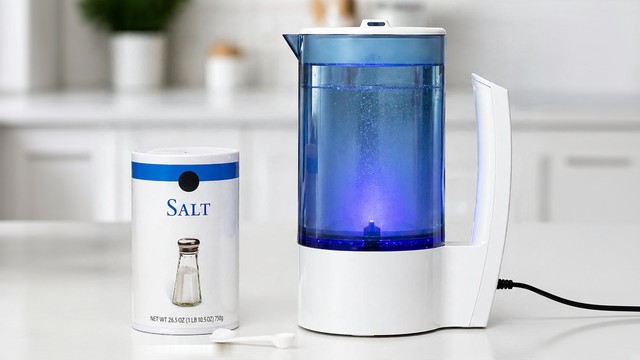
Eco One: Output, Testing, Storage and Owner FAQs
Eco One portable hypochlorous acid generator: what it makes, manual settings and stated output, how to test each batch, storage guidance, what's in the box, and owner FAQs.
Read article →
How to Choose a Hypochlorous Acid Generator
How to choose a hypochlorous acid generator: batch vs. continuous, volume and concentration, testing, water and installation needs, warranty, and how Eco One, Hypo 7.5 and EWCO 300 compare.
Read article →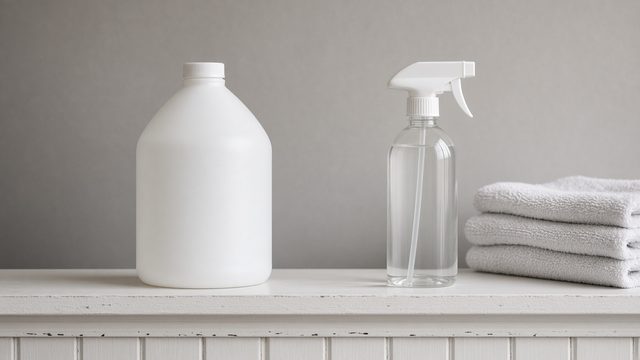
HOCl vs. Bleach: Chemistry, pH and Real-World Use Differences
Hypochlorous acid and bleach are both chlorine chemistry, but pH, concentration, and product directions differ. A plain-language comparison and what it means at home.
Read article →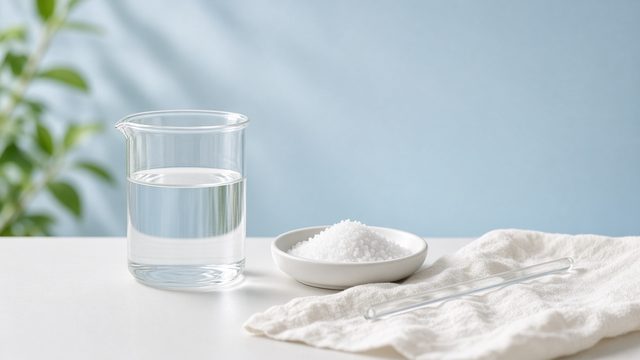
What Is Hypochlorous Acid? Uses, Chemistry and Limitations
A plain-language guide to hypochlorous acid (HOCl): what it is, how it relates to bleach, why pH matters, and how generators make it.
Read article →Hypochlorous Acid at Home: Where to Use It—and What to Know Before You Spray
A practical guide to using hypochlorous acid (HOCl) at home: cleaner vs. sanitizer vs. disinfectant, reading the label, contact time, storage, and safety tips.
Read article →
A Practical Kitchen Guide to Using Hypochlorous Acid
How to fit a hypochlorous acid (HOCl) product into a kitchen routine: clean first, follow the directions, respect contact time, and keep surface products off food.
Read article →